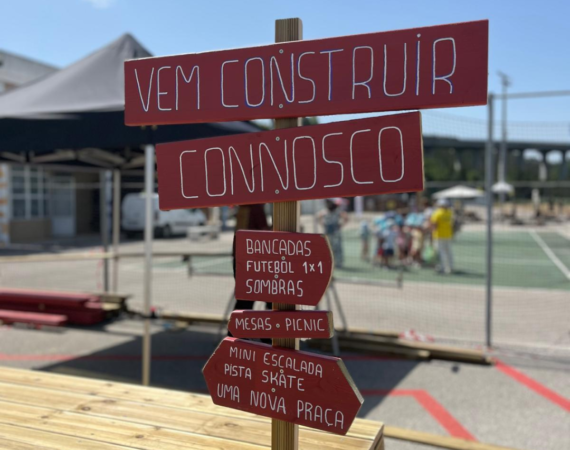
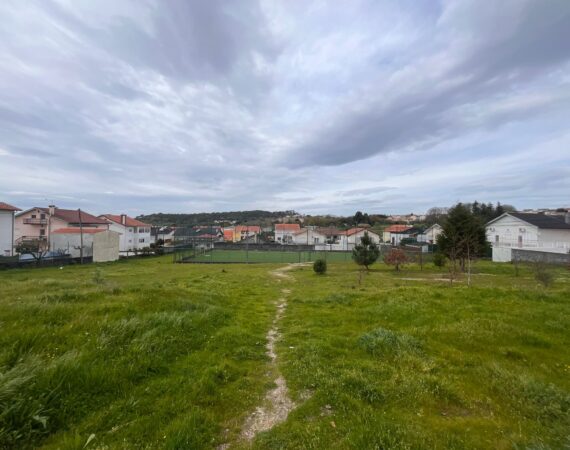
According to Eurobarometer data, the demand for sporting activities has undergone significant changes in the post-pandemic period. Portugal is still below the European average, with around 75% of the male population and 80% of the female population “never or rarely” practicing physical exercise or sport, compared to 57% and 65% of the European average. Interest in outdoor activities has also grown by around 7% compared to the latest figures, revealing that the majority of those surveyed (47%) prefer to carry out physical activities in an outdoor environment.
In order to keep up with the new needs of users, sports facilities must also adapt to these changes, including innovative, sustainable and digital solutions.
Innovative methodology
To develop these 2.0 sports facilities, they need to be designed using an innovative “bottom-up” methodology that involves the participation of stakeholders (users, partners, among others to be defined depending on the context) from the start of the process to the final project, and the creation of a specialized, multidisciplinary team. Needs assessments are carried out through focus groups, various project scenarios are created and future users are always consulted until the final product is defined.
The concept
Smart Active Space is the name of these new sports facilities, and consists of a smart, innovative and sustainable space or facility (indoor or outdoor) that promotes sport and physical activity in an inclusive way. The integration of technology into the user experience and access to sports facilities is increasingly becoming an ally in increasing user engagement. The environmental, economic and social sustainability of the sports facility is a concern at every stage of the process and innovation is inherent in the equipment, management, monitoring of physical activity and user engagement, among other factors.
This concept aims to revolutionize sports facilities in Portugal, meeting the new demands and needs of formal and informal practitioners, improving the experience and at the same time helping to combat the high rates of “motor illiteracy” (a concept often mentioned by Professor Carlos Neto of the Faculty of Human Motricity in Lisbon) that exist in Portugal.