Sports facilities are undergoing a profound transformation, becoming more than just places to play sports. Today, they are epicenters of innovation, social inclusion and the promotion of well-being. In this article, we explore the main trends that are shaping the future of these facilities, with a focus on sustainability, health, digitalization and strategic planning.
- Trends in Environmental Sustainability
Environmental sustainability has become an essential factor in the design and operation of sports facilities, with innovations in both construction and operation. In construction, the following trends stand out:
– Adaptive reuse: Renovating existing facilities instead of building new ones reduces environmental impact and optimizes resources.
– Sustainable materials: The choice of materials with low carbon emissions and life cycle certification is on the rise.
– Climate resilience: Facilities are designed to withstand extreme weather conditions and can act as shelters in emergency situations.
On the other hand, in terms of operation, the following stand out:
– Reducing energy consumption and waste: Technologies such as energy monitoring systems and recycling programs are becoming indispensable.
– High-performance buildings: Highly insulated walls and filtered natural light help to reduce energy costs.
– Transition to renewable energies: Sources such as solar energy, geothermal energy and heat pumps are replacing fossil fuels.
- Trends in Social Sustainability
Sports facilities play a crucial role in promoting social inclusion:
– Access for all: Spaces are designed to be inclusive, promoting equity regardless of age, gender or physical ability.
– Flexibility and progression in design: Projects that favor the adaptation of infrastructures to the specific needs of each user increase participation.
– Community participation: Involving the community in planning ensures that facilities respond to the real needs of the local population.
– Accessibility in economically disadvantaged regions: Creating a level playing field in areas with fewer resources is a growing priority.
– Integration of cultural heritage: Local cultural elements in design strengthen the community’s identity and sense of belonging.
– Social impact assessment: Measuring the value of facilities in improving quality of life helps justify investments.
– Boosting urban regeneration: Sports facilities can be integrated into urban revitalization projects, creating synergies with other public spaces.
- Health trends
The impact of physical and mental health on sports facilities has never been so highly valued, and it is important to highlight the following trends:
– From traditional leisure to active well-being: The offer of programs that promote not only sports practice, but also mental health.
– Support for athletes: Medical and psychological services integrated into the facilities guarantee complete care for users.
– Air quality and healthier spaces: Improvements in ventilation systems and sheltered outdoor areas are important trends.
– Post-pandemic adaptations: Redesigned facilities with increased ventilation, wide corridors and optimized flows provide safety and comfort.
- Trends in planning:
Strategic planning is essential to guarantee the versatility and sustainability of sports facilities:
– Multifunctionality: Multifunctional spaces maximize efficiency and return on investment.
– Coordinated regional planning: Avoiding duplication of facilities and promoting the efficient use of available resources is essential.
– Global standards: Projects that follow international standards become more replicable and accessible to different audiences.
- Trends in Outdoor Sports Facilities
With the growing demand for outdoor activities, outdoor sports facilities are gaining prominence and should be taken into account:
– Connecting spaces: Integrating outdoor areas with indoor infrastructures provides greater functionality and attractiveness.
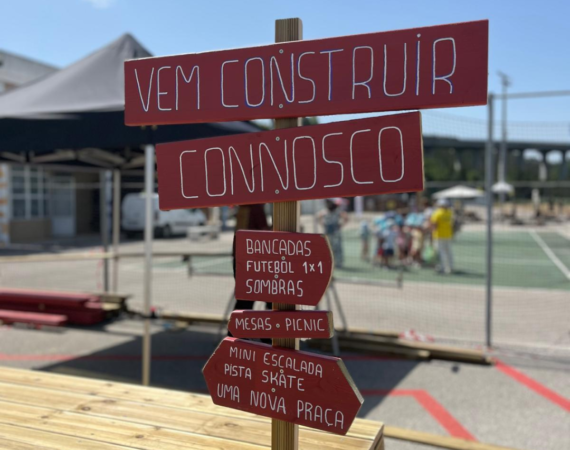
– Making the most of public space: Rooftops, squares and urban spaces are being transformed into innovative sports areas.
– Incorporating sport into urban planning: Partnerships between municipal departments promote the sporting use of public spaces.
– Schoolyards as community assets: Opening up school grounds for community use outside school hours multiplies opportunities for sports practice.
- Trends in Economic Sustainability
Ensuring the economic viability of sports facilities is one of today’s biggest challenges:
– Financial efficiency: Careful planning in construction and operation minimizes costs and maximizes impact.
– Justifying investment: Demonstrating the social, economic and environmental benefits of these facilities is essential to attracting funding.
- Trends in Digitalization: Innovation at the Service of Sport
Technology is reshaping the way sports facilities are managed and used:
– Digital tickets: Facilitate reservations and access in a more practical and efficient way.
– Digital administration: Automating management processes reduces costs and increases operational efficiency.
– Artificial intelligence (AI): Used for predictive maintenance and resource monitoring, ensuring greater longevity and efficiency.
– Augmented reality (AR): Enhances the experience of users and spectators by offering immersive features.
– Wearables and performance monitoring: Allows users’ health and progress to be monitored in real time.
– Digital security: Protection against computer attacks is essential to safeguard sensitive data.
– Digital communities: Applications and social networks encourage sports practice and create interactions between users.
Conclusion: The future of sports facilities
Sports facilities are not just places for practicing sport, they are drivers of social, environmental and economic transformation. Integrating sustainability, inclusion and technology into design and management is key to creating spaces that positively impact communities and adapt to the challenges of the future.
Get inspired: the sports facilities of the future are more than structures – they are catalysts for change!