In the construction and renovation of sports facilities, we are experiencing a period of profound paradigm shift. For decades, the focus was almost exclusively on a narrow concept: fields with rigid dimensions, isolated sports halls, and functional locker rooms. However, today’s urban and social reality demands a change in perspective.
We recognize that the success of a sports facility is not measured solely by the technical quality of its flooring or the intensity of its lighting, but rather by its ability to actively integrate into the lives of the community, functioning as a true “third place,” where the community itself is the true architect in the transformation of these spaces.
This innovative and strategic approach has a name: Placemaking.
The relevance of Placemaking in Sports Facilities
Placemaking applied to sports goes far beyond simple construction engineering. It is a dynamic process of regeneration that transforms underutilized public spaces or degraded infrastructure into places of strong identity, community gathering, and social cohesion. Instead of designing structures that are closed off from their surroundings, this methodology focuses on creating open ecosystems where physical activity naturally intersects with leisure, intergenerational interaction, and urban life.
When we rethink a space from this perspective, every square meter takes on a new versatility. The sports facility ceases to be an isolated island within a territory and begins to act as a catalyst for public health, well-being, and regional revitalization.
The convergence of Strategic Pillars
For this transformation to be effective, it is essential to integrate three fundamental elements into any modern renovation project:
- Innovation: Rethinking traditional models through participatory architectural processes, active community engagement, and the integration of technological solutions for space management and monitoring.
- Sustainability: Adopting rigorous criteria for energy efficiency, optimizing water resources, using materials with a lower carbon footprint, and harmoniously integrating green spaces and permeable pathways.
- Community: Ensuring that the urban design directly addresses residents’ daily needs, fostering a sense of belonging and ensuring that the spaces are truly embraced by those who use them.
From theory to practice: our case studies
The practical application of this vision demonstrates how placemaking takes shape in completely different geographic and social contexts, always serving as a driver of local revitalization.
- Creation of Portugal’s First Active HUB in Óbidos: The conversion of a former industrial warehouse into an innovative urban sports ecosystem perfectly illustrates how historical memory can be harnessed to foster social dynamics. By promoting the convergence of sports, leisure, and culture, this project serves as a showcase for innovation in the reuse of industrial assets, transforming a former warehouse into a multipurpose ecosystem that responds to the new rhythms of urban life.
- Strategic and Participatory Redefinition of the Óbidos Municipal Sports Complex: In this large-scale facility, the focus was on restoring a human scale to transitional spaces. Through a participatory strategic plan, the central plaza was redesigned to empower the community, balancing the demands of organized sports with the creation of open spaces for leisure, green areas, and soft mobility routes accessible to all residents.
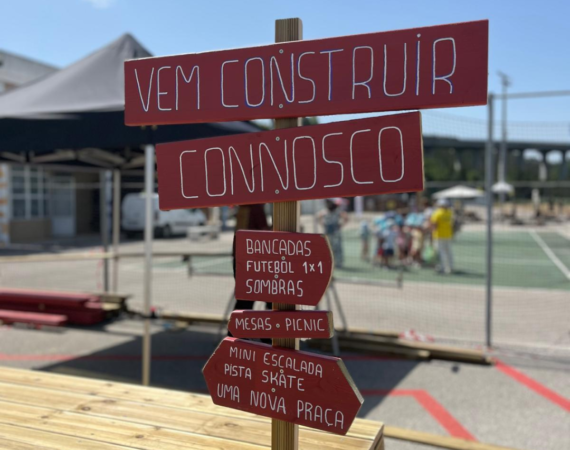
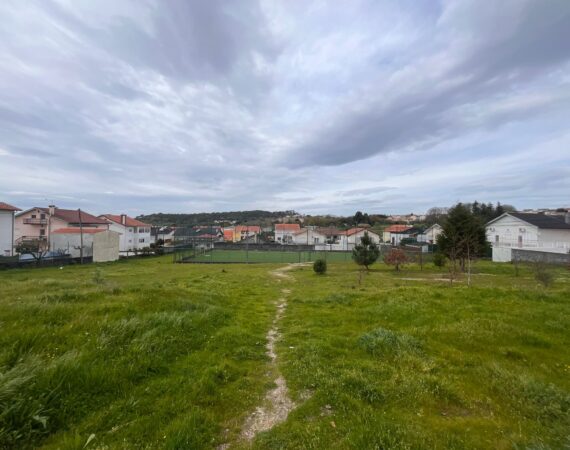
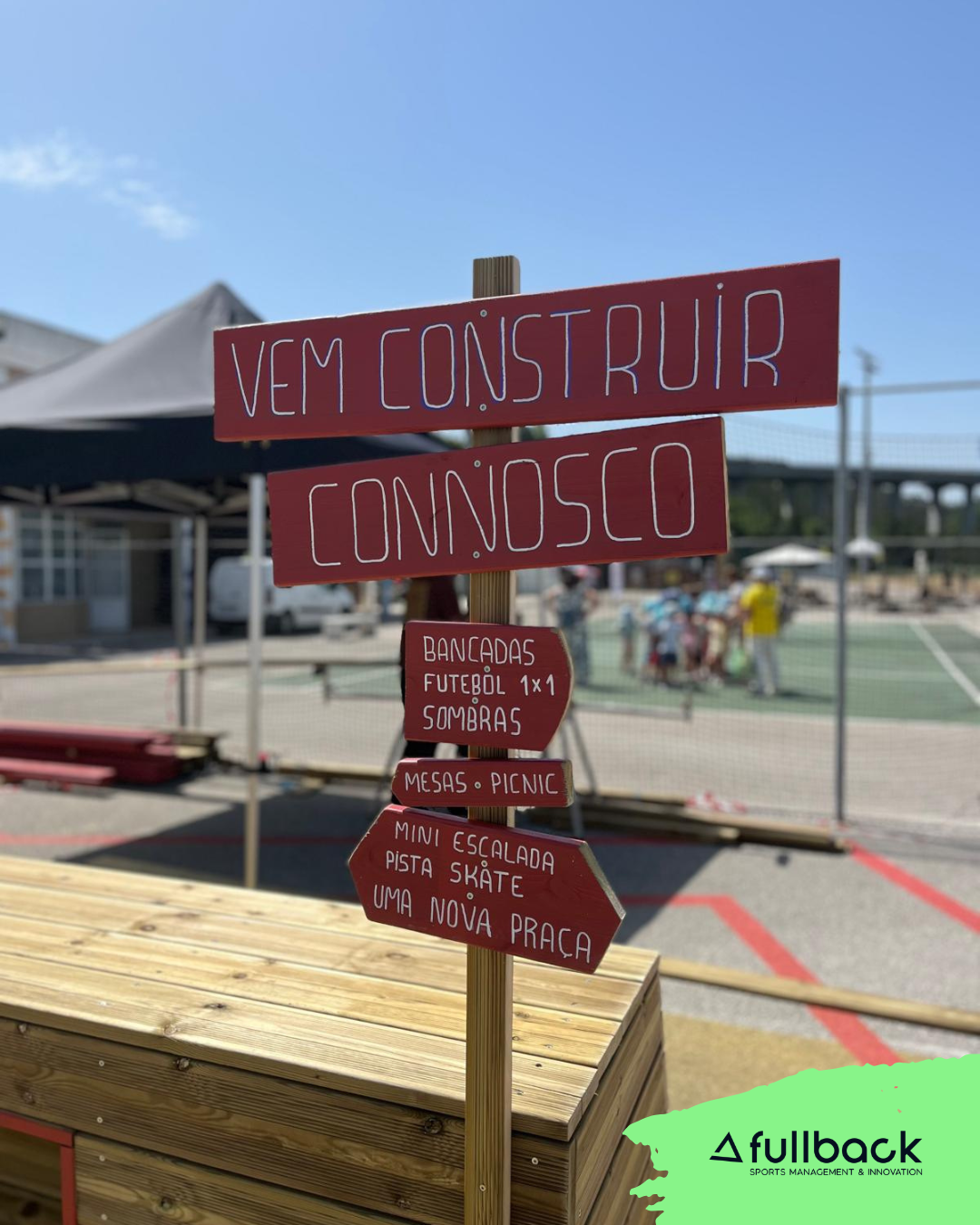
- Renovation of the Gândara Neighborhood Sports Complex, Mangualde: Located in a residential neighborhood, the renovation of this outdoor sports complex exemplifies a commitment to social and urban sustainability. By listening directly to residents, the space was transformed into a multifunctional park that combines a playing field with calisthenics areas, picnic areas, and tree-lined walking paths, fostering a strong sense of collective ownership.
- Portugal’s First Smart Active Space, Trofa: This project represents the pinnacle of technology serving the community, transforming a natural area into a smart adventure forest. Here, the integration of active trails, informal learning spaces, and technological management focused on efficiency and safety creates a park that not only respects the environment but also invites all visitors to constantly explore.
Revitalizing a sports facility is, in practice, an act of citizenship. When we design a space that invites people to linger, we are reducing social isolation and increasing the resilience of the community, creating settings where the lives and well-being of a population take on new meaning. After all, by combining innovative participatory processes, environmental sustainability, and a deep focus on the community, placemaking establishes itself as the definitive tool for revitalizing our cities, proving that sports, when well-integrated into the urban fabric, are the most powerful tool we have for creating places where life is truly worth living.